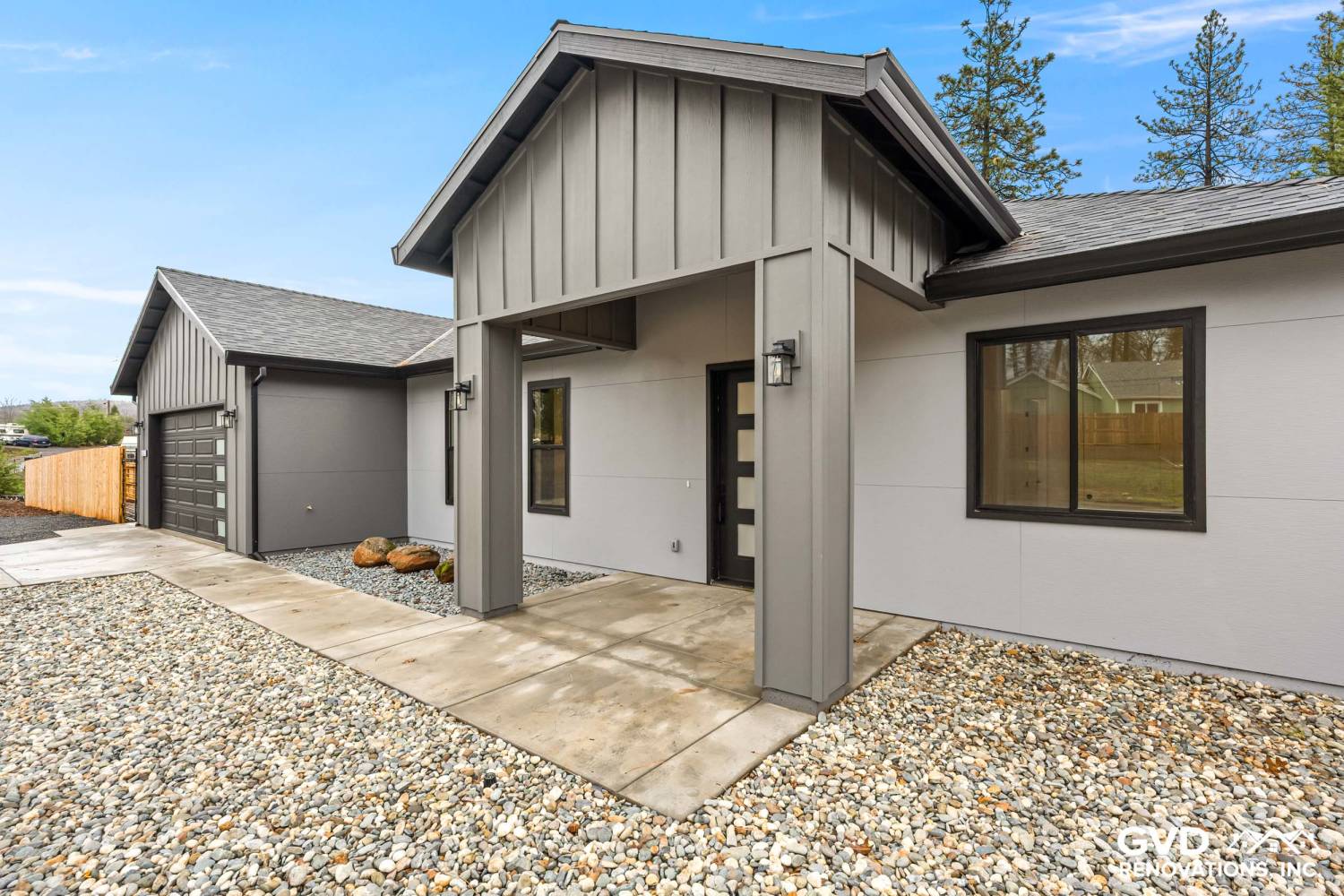
Maximizing Efficiency: Sustainable Construction Practices for Your Next Project Apr 08, 2026
Sustainable construction begins with careful planning and design. Incorporating energy-efficient designs and materials can significantly reduce the environmental impact of a project. Start by evaluating the site and utilizing natural resources effectively, such as sunlight and local materials. This reduces transportation emissions and supports local economies. Additionally, integrating passive solar design and strategic window placement can maximize natural light, reducing the need for artificial lighting and decreasing energy consumption.
The choice of materials plays a crucial role in sustainable construction. Opt for materials that are renewable, recycled, or sustainably sourced. Bamboo, for example, is an excellent renewable material due to its rapid growth rate. Recycled steel and reclaimed wood not only reduce demand on natural resources but also minimize waste in landfills. Using these materials can enhance the aesthetic appeal of a project while promoting an eco-friendly approach.
Waste management is another fundamental component of sustainable construction. Implementing a robust waste reduction plan can considerably lower the environmental footprint of your project. This includes recycling construction debris, minimizing packaging waste, and planning for material re-use. Educating workers on waste separation and providing clear guidelines for recycling on-site ensures that materials are correctly segregated, further supporting waste minimization efforts.
Water management is yet another key area to focus on. Innovative water conservation practices, such as rainwater harvesting and the use of greywater systems, can significantly reduce water consumption on construction sites. These systems collect and repurpose water, which can be used for non-potable applications like flushing toilets or irrigation, thereby reducing the strain on local water supplies.
Incorporating energy-efficient appliances and systems is essential for sustainable construction projects. Consider installing energy-efficient HVAC systems, using LED lighting, and integrating smart home technology to monitor and control energy usage. By reducing energy consumption, you lower utility costs and increase the long-term value of the property. Encouraging the use of renewable energy sources, such as solar panels, further enhances the sustainability of the project, providing a clean, renewable source of energy.
Moreover, fostering a culture of sustainability within your construction team is crucial. Training employees on sustainable practices and highlighting their benefits boosts engagement and encourages the adoption of these practices company-wide. Encourage collaboration and innovation among team members to develop new sustainability solutions. By involving the workforce in sustainability initiatives, you create a sense of ownership and pride that drives further efficiency.
In conclusion, adopting sustainable construction practices is a vital step towards maximizing efficiency and minimizing environmental impact. New Gen Home Improvements LLC is committed to enhancing project outcomes through thoughtful planning, smart material selection, effective waste management, and energy conservation. By embedding sustainability into every phase of construction, the company not only sets a benchmark for efficiency but also contributes positively to the environment, ensuring a better future for all.
/filters:no_upscale()/filters:format(webp)/media/49b8d1ae-b692-457a-9db1-6ab920ce1c19.jpeg)